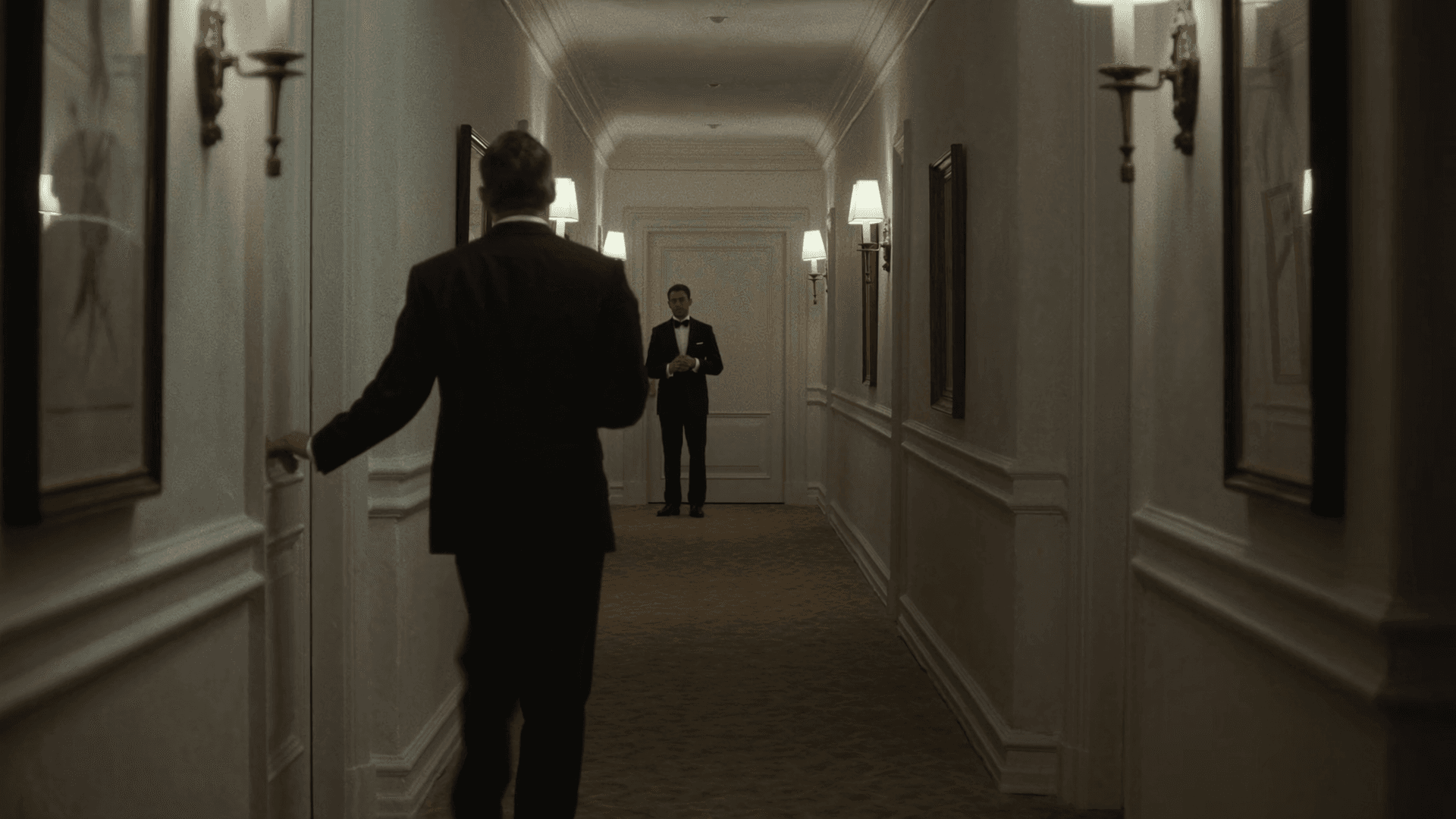
I started noticing the shift about two years ago. Not a sudden pivot, but a slow accumulation of inquiries that were phrased differently than they had been before. Less: "I want everything to look perfect." More: "I want it to feel like it actually happened."
In 2026, this is not a niche preference anymore. It is the dominant ask. And understanding it changes everything about how I approach a wedding day.
What "Perfect" Used to Mean
For most of the 2010s, the prestige of luxury wedding photography was measured by how controlled it looked. Symmetrical compositions. Flawless retouching. Color grades that made every frame feel like a perfume advertisement. The light was always golden, the smiles were always calibrated, the poses were always deliberate.
It was beautiful. And it was completely dishonest about what weddings are actually like.
What Couples Are Actually Asking For Now
The Knot's 2026 wedding photography trend list reads like a reaction against everything the previous decade celebrated: blurred-action photography, true-to-life color, messy detail shots, documentary/photojournalistic coverage, film photography, direct flash, tangible keepsakes. Every single one of those trends is a move toward honesty and away from performance.
Couples want the blurred dance-floor frame because it proves people were actually dancing. They want the direct-flash table shot because it proves people were eating, drinking, and alive in the space. They want the windswept hair, the smudged mascara, the laughing-so-hard-you-can't-stand-up moment — because those are the images that carry the smell of the night, the sound of the music, the specific warmth of the room.
Luxury Has Been Redefined
This is the thing that took me a while to fully articulate: the shift is not away from luxury. It is a redefinition of what luxury means in photography.
Clean symmetry and flawless skin were the markers of luxury when luxury meant control. But in 2026, luxury means emotional precision. A gallery that makes you cry is more luxurious than a gallery that makes you look thin. A photograph that transports you back to exactly how that room smelled at midnight is worth more than a portrait where your posture is impeccable.
What This Means for How I Work
My approach has always been split: part documentary, part editorial. I am looking for the real thing — the unguarded laugh, the private grief, the accidental grace — and I am also shaping moments when I have the opportunity and the trust of the couple to do so. But the framing of what "shaping" means has changed.
When I direct a portrait session now, I am not building a still-life. I am building movement. We are walking, talking, turning corners, discovering light as we find it. The poses, when they happen, last a breath — not a minute. The result is images that feel found rather than manufactured, even when they are technically constructed.
That is what 2026 couples want. Not evidence of how good the photographer is. Evidence of how real the day was.
I am entirely on board with that.
Destination Wedding Photographer
Vancouver · Medellín · Worldwide


